

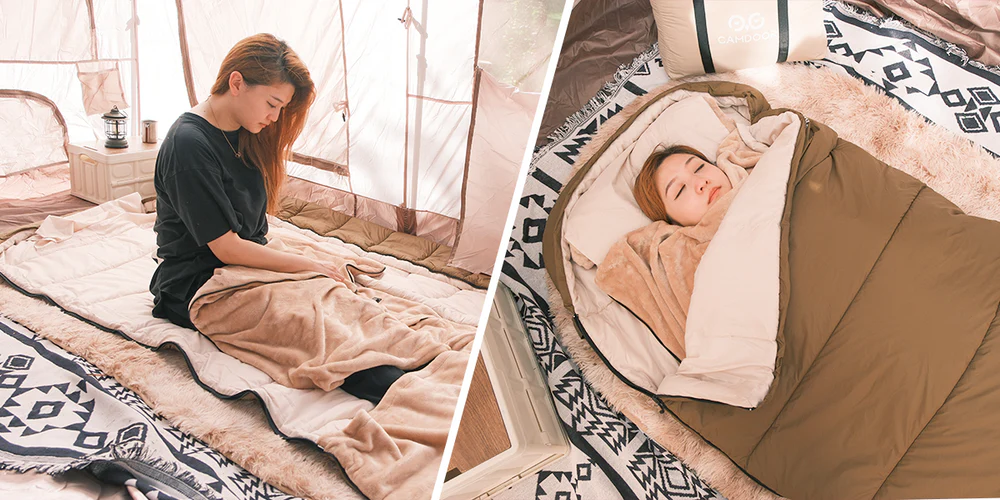
Camping is one of the most rewarding ways to experience nature, but the difference between a comfortable trip and a frustrating one often comes down to preparation. A campsite that is thoughtfully planned can transform your experience, allowing you to relax, enjoy the scenery, and sleep peacefully. From selecting the right location and insulating the ground to setting up shelter, creating nighttime warmth, and adding comfort-focused accessories, each element contributes to a more enjoyable adventure. Even small decisions can significantly impact your comfort and safety, making the planning process crucial.
Choosing the Ideal Campsite Location
Selecting the right campsite is the first step in creating a comfortable outdoor experience. Look for a flat, stable area that minimizes exposure to wind and avoids low-lying zones where cold air settles or water may accumulate. Natural windbreaks such as tree lines or hillsides provide protection from harsh gusts, while elevated spots can prevent unexpected flooding in case of rain. Additionally, consider the terrain’s surface; areas with soft soil, sand, or grass often provide more comfort for sleeping and allow easier placement of tents and キャンプ ギア. Proximity to water can be convenient, but be cautious of dampness or wildlife. Spending extra time evaluating these factors ensures that the foundation of your campsite supports both comfort and safety.
Ground Insulation for Restful Sleep
Even with the perfect campsite location, the ground itself can be one of the largest contributors to discomfort. Cold, hard, or uneven surfaces can sap energy, disrupt sleep, and increase fatigue. To address this, create a layered system of insulation. Start with a durable foam pad that blocks heat transfer and provides a stable base. Over this, an inflatable insulated pad can add softness and additional thermal protection, making it easier to stay warm during chilly nights. Effective ground insulation not only enhances comfort but also allows your body to retain energy for daytime activities, making long trips more enjoyable. When paired with a high-quality sleeping system, such as a Camdoor 寝袋, these layers create a sleep environment that keeps you warm, dry, and well-rested even in challenging conditions.
Shelter Setup for Protection and Comfort
A well-pitched shelter is the centerpiece of a comfortable campsite. The tent should be anchored securely to prevent movement during wind or rain, and care should be taken to maintain proper tension in the fabric. A taut setup reduces sagging, prevents water pooling on the surface, and improves internal ventilation. Inside the shelter, consider the placement of gear and sleeping areas to avoid drafts and maintain warmth. Organizing items against tent walls or in corners can reduce cold spots and increase usable space. Additionally, using a groundsheet beneath the tent adds an extra layer of protection against moisture and helps extend the lifespan of your shelter. Proper tent orientation relative to the sun and prevailing winds also enhances comfort, as sunlight can gently warm the interior and reduce condensation during the morning hours.
Strategies for Nighttime Warmth
Maintaining warmth during the night is essential for both comfort and safety. In addition to layered clothing and sleeping systems, small adjustments can greatly enhance your experience. For instance, insulating the inside of your tent by placing a reflective blanket beneath the sleeping area or using extra blankets around the sleeping pad can trap heat. Ventilation is equally important to prevent condensation, which can reduce the insulating properties of bedding. Using hand warmers or hot water bottles strategically can provide focused warmth where it is most needed, such as near the feet or torso. These techniques, combined with a properly rated sleeping bag, ensure that you remain comfortable through the coldest parts of the night without overheating or becoming damp.
Optimizing Comfort with Accessories
Accessories can elevate a campsite from functional to luxurious. A compact pillow or inflatable headrest improves neck support and quality of sleep, while a cozy camping chair allows you to relax around the fire or enjoy the view. Lighting also plays a role in comfort; soft, warm light creates a welcoming atmosphere and helps reduce eye strain when performing nighttime tasks. Organizing gear using storage bags or hanging organizers keeps the tent tidy and reduces stress. Even seemingly minor touches, such as insulated mugs, sleeping bag liners, or a well-placed mat, contribute significantly to a more comfortable and enjoyable camping experience. Attention to these details ensures that the campsite becomes a space where relaxation is prioritized alongside safety and functionality.
Conclusion: Comfort as a Foundation for Enjoyable Camping
Creating the perfect campsite is about more than convenience; it is about building a foundation for an enjoyable outdoor experience. Thoughtful site selection, layered ground insulation, well-structured shelter, effective warmth strategies, and comfort-focused accessories all work together to maximize relaxation and safety. By paying attention to these elements, campers can reduce fatigue, improve sleep quality, and fully immerse themselves in the beauty of nature. With the right approach, a campsite becomes a retreat where every night is peaceful, and every morning begins refreshed. Investing time and care into preparation ensures that your next camping trip is not just an adventure, but a truly comfortable and memorable experience.


