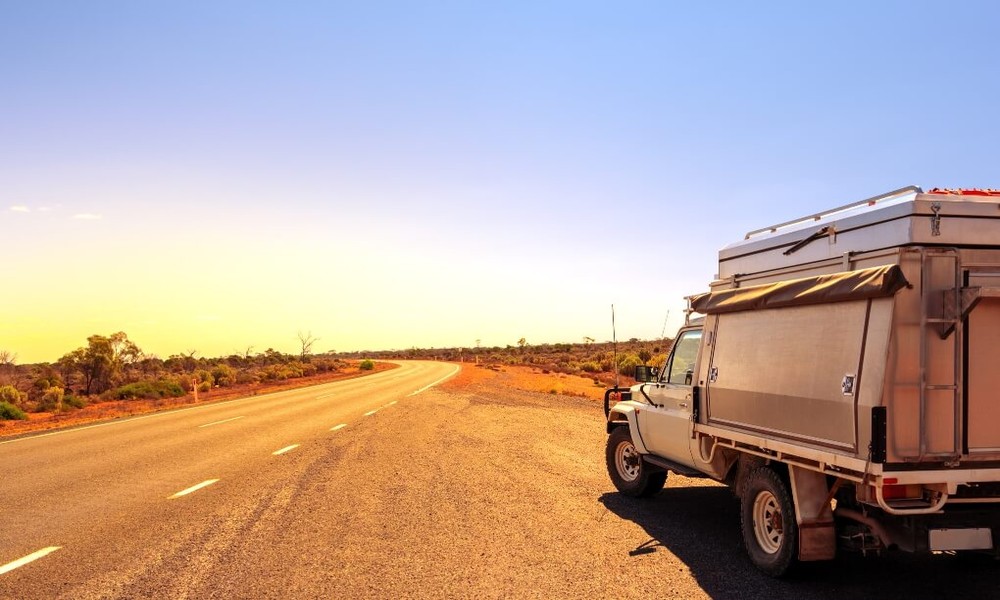

Australia was practically built for road trips.
With endless coastlines, rugged outback landscapes, ancient rainforests, mountain ranges, and charming country towns scattered across the continent, there’s something uniquely satisfying about hitting the open road here. Unlike many destinations where the journey simply gets you from Point A to Point B, an Australian road trip often becomes the highlight of the adventure itself.
I’ve always believed that some of the best travel memories happen between destinations. It’s the unexpected roadside bakery you stumble upon. The hidden beach that wasn’t on your itinerary. The kangaroo that casually watches you set up camp while pretending not to be interested.
The difference between a stressful road trip and an unforgettable one often comes down to preparation.
Before you start mapping out your route, it’s worth spending some time thinking about your vehicle setup, gear, timing, and overall travel strategy.
Start With the Right Vehicle Setup
Many travelers focus entirely on where they’re going and overlook how they’re going to get there.
That’s understandable. Planning destinations is fun. Planning vehicle storage isn’t exactly exciting.
But when you’re several days into a trip and your car feels like a game of Tetris every time you need something, you’ll quickly realize how important proper organization can be.
If you’re bringing camping gear, hiking equipment, fishing rods, paddleboards, or bikes, think carefully about how you’ll transport everything. Travelers bringing bikes along for the journey often choose vertical bike racks because they maximize vehicle space while making it easier to access bikes throughout the trip.
The goal isn’t necessarily to bring less gear. It’s to pack smarter so the journey remains comfortable.
Trust me, spending ten extra minutes organizing your setup before leaving home can save hours of frustration later.
Choose Your Route Carefully
Australia offers no shortage of incredible road trip options.
Some travelers dream about the legendary drive along the Great Ocean Road. Others head north toward tropical Queensland. Some prefer crossing through the Red Centre for a completely different experience.
A few classic routes worth considering include:
- Great Ocean Road, Victoria
- Pacific Coast Drive, New South Wales to Queensland
- The Red Centre Way, Northern Territory
- Tasmania’s East Coast
- South Australia’s Eyre Peninsula
The best route depends on your interests.
Love beaches? Stay near the coast.
Prefer hiking? Focus on national parks and mountain regions.
Interested in wildlife? Tasmania and parts of Western Australia offer incredible opportunities.
One mistake I see people make is trying to cover too much distance. Australia is enormous. Distances that seem manageable on a map can quickly become exhausting behind the wheel.
Sometimes less really is more.
Understand Australia’s Driving Conditions
Driving in Australia isn’t difficult, but conditions can vary dramatically.
One day you might be cruising along modern highways. The next, you’re navigating remote gravel roads with very few services available.
Before heading into unfamiliar regions, spend some time reviewing local road conditions and safety recommendations.
The Australian government’s official tourism website provides excellent regional travel information and planning resources.
If you’re planning to visit remote areas, research fuel availability, road closures, and weather conditions in advance.
The Outback is beautiful, but it’s not a place where you want to rely entirely on luck.
Pack for Different Weather Conditions
Australian weather has a reputation for being unpredictable.
You can leave one region wearing a jacket and arrive several hours later wishing you’d packed shorts.
Even during warmer months, temperatures can fluctuate significantly depending on elevation, location, and time of day.
A few essentials I always recommend include:
- Lightweight rain jacket
- Warm layer or fleece
- Hat and sunscreen
- Comfortable walking shoes
- Extra drinking water
- Portable phone charger
You probably won’t need everything every day.
But when conditions change unexpectedly, you’ll be glad it’s there.
Don’t Underestimate National Parks
Some of Australia’s most memorable experiences happen far away from major cities.
National parks provide opportunities to experience landscapes that simply don’t exist anywhere else.
Whether it’s the dramatic cliffs of the Blue Mountains, the ancient rainforests of Daintree, or the unique rock formations of the Grampians, these areas deserve space in your itinerary.
The Australian National Parks website is a valuable resource when planning stops and activities:
One thing I’ve noticed over the years is that many travelers schedule too little time in these areas.
They’ll drive hundreds of kilometers to a park and only allocate a few hours before moving on.
Slow down.
Spend an extra day.
Some places deserve it.
Plan Your Campsites and Accommodation Early
Australia’s popularity as a road trip destination continues to grow.
During peak travel seasons, desirable campsites and accommodations can book out well in advance.
This is especially true near:
- Coastal holiday destinations
- National parks
- School holiday periods
- Major events and festivals
Even if you’re someone who enjoys flexibility, having a rough accommodation plan can reduce unnecessary stress.
Personally, I like a hybrid approach.
I’ll reserve key locations where availability is limited and leave some flexibility between those stops.
That balance usually provides the best of both worlds.
Fuel Stops Matter More Than You Think
This may sound obvious, but it’s one of the most common mistakes travelers make.
Many visitors underestimate just how vast Australia can be.
In some regions, fuel stations may be separated by hundreds of kilometers.
When you have the opportunity to refuel in remote areas, take it.
Even if your tank is half full.
Even if the next station looks close on the map.
I’ve spoken with enough travelers who’ve learned this lesson the hard way to know it’s worth mentioning.
A simple habit can prevent a major headache.
Create Time for Unexpected Discoveries
One of the biggest advantages of road travel is flexibility.
Flights operate on schedules.
Road trips don’t.
Leave room for spontaneity.
Maybe you discover a local market.
Maybe a resident recommends a hidden swimming hole.
Maybe you find an incredible coastal lookout that wasn’t listed in any guidebook.
These moments often become the stories you’ll remember years later.
If your itinerary is packed so tightly that every hour is accounted for, you’ll miss many of them.
Keep Safety a Priority
Adventure doesn’t require unnecessary risk.
Before any major road trip, perform a basic vehicle inspection.
Check:
- Tire pressure
- Oil levels
- Coolant
- Battery condition
- Windshield washer fluid
Road safety information is also available through the Australian government’s official transport resources as well.
It only takes a few minutes to verify that everything is functioning properly.
Those few minutes can save an entire trip.
Travel Slower Than You Think You Need To
If there’s one piece of advice I’d give anyone planning an Australian road trip, it’s this:
Slow down.
Australia rewards travelers who take their time.
The best experiences rarely happen while racing between destinations.
They happen while watching a sunset over a remote beach.
They happen around a campfire.
They happen while sharing a conversation with a local in a small town you hadn’t planned to visit.
The destination matters.
But the journey matters just as much.
Enjoy Your Adventure Road Trip!
Australia remains one of the world’s greatest road trip destinations because it offers something increasingly rare: space.
Space to explore.
Space to disconnect.
Space to discover places that don’t appear in travel brochures.
Whether you’re driving the coastline, exploring national parks, camping under the stars, or simply chasing a sense of adventure, a little preparation goes a long way.
Organize your vehicle, plan your route thoughtfully, leave room for surprises, and embrace the journey.
Because at the end of the day, the roads you’ll remember most aren’t always the ones that lead to famous landmarks.
They’re often the ones you didn’t plan to take at all.